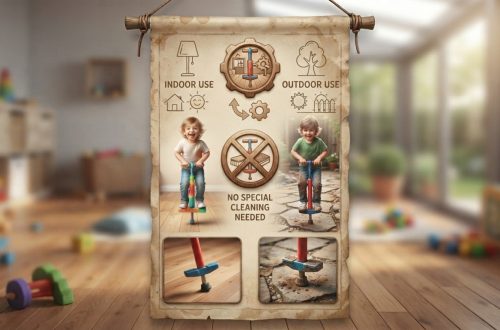
The Ultimate Guide to Safe Indoor Bouncing: Can Pogo Jumpers Damage Floors?
It is a scenario every parent knows well: a string of rainy days, a freezing winter afternoon, or a scorching summer heatwave hits, and your kids are bursting with energy. They start jumping on the couch, leaping off the stairs, and turning your living room into an unstructured trampoline park.
To save your furniture and give your kids a healthy, high-efficiency workout, a pogo jumper sounds like the perfect solution. It burns incredible amounts of cardiovascular energy, sharpens gross motor skills, and keeps kids active without staring at a digital screen.
But before you click “Add to Cart” or hand over a new toy, a major concern hits you as you look down at your home’s expensive flooring: Can pogo jumpers damage floors?
Traditional metal-spring pogo sticks will cause severe, irreversible structural damage to interior floors, including deep gouges in hardwood, cracked ceramic tiles, and chipped laminate. However, modern foam bungee pogo jumpers are explicitly engineered for indoor play; their soft, non-abrasive EVA foam bases compress upon landing, absorbing kinetic impact and leaving premium hardwood, tile, and vinyl floors completely safe and scratch-free.
Why Parents Worry About Pogo Jumpers and Floor Damage
Modern homes often feature beautiful (and expensive) hardwood, engineered wood, luxury vinyl plank (LVP), tile, or laminate floors. A single scratch or dent can be costly to repair. Add to that apartment living with downstairs neighbors who hate noise, and it’s natural to hesitate before letting kids bounce indoors.
Traditional metal spring pogo sticks were notorious for damaging floors. But today’s popular foam pogo jumpers use completely different technology — soft foam padding, wide cushioned bases, and bungee-style mechanisms that are far gentler on surfaces.
To keep your home looking beautiful while giving your kids a safe launchpad, this comprehensive guide analyzes the physical impact of different pogo styles, highlights which flooring types are most vulnerable, and lays out a blueprint for a risk-free indoor jumping zone.
1. The Physics of the Bounce: Metal Springs vs. Foam Bases
To understand why some pogo jumpers are completely safe for interior use while others are incredibly destructive, we have to look at how different designs distribute kinetic force.
  [TRADITIONAL METAL SPRING STICK]           [MODERN FOAM BUNGEE JUMPER]

       (Focused Heavy Impact)                    (Dispersed Cushion Impact)
                 │                                           │
                 ▼                                           ▼
      [ Narrow Rubber/Metal Tip ]                 [ Wide EVA Foam Block Base ]
  ─────────────────────────────────           ─────────────────────────────────
     [ Hardwood / Ceramic Tile ]                 [ Hardwood / Ceramic Tile ]
  (Gouges, Cracks, and Scuff Marks)                (Zero Damage / Protected)
Traditional Metal-Spring Pogo Sticks (Outdoor Only)
A classic pogo stick relies on a heavy internal or external steel spring enclosed in a metal frame. When a child bounces, their entire body weight—multiplied by the downward acceleration of gravity—is focused entirely onto a single, narrow tip at the bottom.
Even if that tip features a rubber cap, the massive, concentrated force can crush through surface finishes. If the rubber cap wears down or slips, the exposed metal frame will strike your floor directly, causing instant structural damage.
Foam Bungee Pogo Jumpers (Indoor Engineered)
Indoor-safe pogo hoppers (like My First Flybar or Kidoozie) completely rewrite this mechanical blueprint. They swap out the rigid metal shaft for a highly elastic latex bungee cord and replace the narrow tip with a wide, thick block of high-density EVA (Ethylene-Vinyl Acetate) foam.
When a child lands on an indoor foam jumper, the wide base spreads the impact force across a large surface area. The soft, flexible foam block compresses gently to absorb the shock, resulting in a dull, muted thud rather than a harsh structural impact.
2. Vulnerability Report: How Different Floors Handle Pogo Impacts
Not all flooring materials react to impacts the same way. If you are planning an indoor jumping area, look closely at this breakdown of how common American residential floors respond to pogo jumpers:
Solid Hardwood and Engineered Wood
What surface is best for using a pogo jumper?
- With Traditional Metal Sticks: High Risk. Hardwood floors are highly susceptible to pressure dints and scratches. A steel-spring pogo stick will easily puncture through protective polyurethane topcoats, leaving permanent circular indents, crushed wood fibers, and deep scratches that require expensive sanding and refinishing to fix.
- With Foam Bungee Jumpers: 100% Safe. High-density EVA foam bases are non-abrasive and incredibly soft. They will not dent, scratch, or leave dark rubber skid marks on premium oak, maple, or walnut floorboards, even with aggressive daily use.
Ceramic and Porcelain Tiles
- With Traditional Metal Sticks: Extreme Risk. Tile floors are rigid and brittle. The sharp, high-velocity impact from a metal pogo stick tip hitting a tile at an angle can instantly crack the porcelain face, chip the edges, or crumble the surrounding grout lines.
- With Foam Bungee Jumpers: 100% Safe. The compressed foam base cushions the landing perfectly, eliminating the risk of impact cracks while providing a stable, non-slip grip on smooth tiled surfaces.
Luxury Vinyl Plank (LVP) and Laminate
- With Traditional Metal Sticks: High Risk. While LVP and high-end laminates are highly scratch-resistant, they are not designed to withstand heavy, localized vertical impacts. A spring pogo stick can pierce the vinyl wear layer or crack the underlying composite core, causing the interlocking planks to separate.
- With Foam Bungee Jumpers: 100% Safe. Foam hoppers slide and bounce smoothly across laminate and vinyl surfaces without causing any tearing or surface dulling.
Wall-to-Wall Carpets and Area Rugs
- With Both Pogo Styles: Completely Safe. Carpeting is naturally resilient to pogo impacts. However, never allow a traditional metal stick on a fine woven rug, as a worn tip can snag and tear delicate carpet loops. For foam bungee jumpers, low-pile carpets are actually the ideal surface because they offer excellent traction and natural sound dampening.
3. Indoor Surface Compatibility Matrix
| Flooring Category | Metal-Spring Pogo Sticks | Foam Bungee Hoppers | Primary Damage Risk / Prevention |
| Solid Hardwood | ❌ PROHIBITED | Perfectly Safe | Metal causes deep gouges; foam cushions wood finishes completely. |
| Ceramic Tile | ❌ PROHIBITED | Perfectly Safe | Metal impacts shatter brittle porcelain; foam eliminates cracking. |
| Vinyl / Laminate | ❌ PROHIBITED | Perfectly Safe | Heavy springs can puncture layers; foam leaves zero scuffs. |
| Low-Pile Carpet | ⚠️ Not Recommended | Best Choice | Metal tips can rip fabric loops; ideal for quiet foam bouncing. |
| Interlocking Foam Mats | Safe | Best Choice | Creates a dedicated, ultra-quiet, shock-absorbing play grid. |
4. How to Create an Ultra-Safe, Quiet Indoor Bouncing Zone
Even when using a floor-safe foam bungee jumper, bouncing indoors requires a bit of planning to protect your home’s structural layout and manage noise levels—especially if you live in a multi-story apartment or condo. Follow these three simple rules:
Rule 1: Set Up a Dedicated Foam Mat Grid
If you want complete peace of mind regarding your high-end floors, purchase a set of interlocking EVA foam gym mats and build a 6×6-foot grid in the playroom or living room. Bouncing a foam pogo jumper on top of dedicated foam tiles provides a double layer of shock absorption. This setup protects your home’s permanent flooring, reduces stress on your child’s developing joints, and keeps noise levels near zero.
Rule 2: Keep the Floor Clear of Small Toys
Before your child steps onto their indoor pogo jumper, do a quick 30-second sweep of the floor. Ensure the area is completely free of loose plastic toys, stray crayons, or rogue LEGO bricks. Landing a pogo jumper directly onto a hard plastic toy can cause the base to slide sideways, potentially scratching the floor or causing your child to lose balance.
Rule 3: Maintain a 3-Foot Clearance Perimeter
Keep the jumping zone safely away from glass coffee tables, sharp counter corners, televisions, and low-hanging ceiling lights or fans. Hallways, clear entryways, or the center of a spacious living room rug provide excellent, low-risk environments for burning off energy.
Can Pogo Jumpers Damage Different Floor Types?
1. Hardwood Floors High-quality foam pogo jumpers rarely scratch or dent properly finished hardwood. The soft base acts like a buffer. However, repeated heavy use by older/heavier kids or dragging the jumper can eventually cause minor compression or scuffing on very soft woods.
Tip: Use on hardwood with a large area rug or rubber mat for extra peace of mind.
2. Laminate & Engineered Wood These are more vulnerable to scratches than solid hardwood. Foam pogo jumpers are generally safe, but grit or dirt trapped under the base can act like sandpaper. Regular sweeping or vacuuming before play prevents this.
3. Tile & Luxury Vinyl Plank (LVP) Extremely durable against foam pogo jumpers. The main issue is noise rather than physical damage. A soft base minimizes scuffing.
4. Carpet The safest surface for pogo jumpers. Low-pile carpet provides excellent traction and natural cushioning with virtually zero risk of damage.
5. Concrete / Garage Floors No damage concerns at all, though harder landings mean kids may need more protective gear.
Best Practices to Prevent Any Floor Damage
Follow these tips and the risk of damage drops close to zero:
- Choose the Right Model — Prioritize full-foam designs with wide bases (e.g., Flybar My First Foam Pogo Jumper).
- Clear Debris — Always sweep or vacuum the area before jumping. Dirt and sand are the real culprits behind scratches.
- Use Protective Mats — Interlocking foam puzzle mats, thick area rugs, or rubber gym tiles add excellent protection and reduce noise.
- Control Bounce Height — Teach kids to start with small, gentle hops rather than maximum height.
- Limit Session Time — Short, frequent sessions cause less cumulative stress on floors than long marathon bounces.
- Proper Footwear — Grippy shoes or barefoot (clean feet) instead of socks, which can cause slipping and dragging.
- Store Properly — Don’t drag the pogo jumper across floors — lift and carry it.
- Regular Inspection — Check the foam base for wear. Replace if it becomes compressed or torn.
Additional Benefits of Indoor Foam Pogo Jumpers
- Noise Reduction — Much quieter than metal versions, minimizing neighbor complaints.
- Versatility — Safe on carpet, hardwood, tile, and grass.
- Durability — Quality foam models hold up well to daily use without transferring damage to floors.
- Child Development — Safe indoor play means consistent active time regardless of weather.
Real Parent Experiences from the USA
Many parents report zero floor damage after months or even years of regular indoor use with foam pogo jumpers. Apartment dwellers especially praise the combination of a quality foam jumper + a thick area rug. Some note minor compression on very soft carpets over time, but this is cosmetic and doesn’t affect the floor permanently.
When to Be Extra Cautious
- Very expensive or antique hardwood floors.
- Rental properties with strict rules.
- Multiple heavy users jumping simultaneously.
- Using older or low-quality pogo jumpers with exposed hard parts.
In these cases, always add extra matting or consider outdoor-only use.
Ready to Bounce Without Worry?
Shop our carefully selected collection of floor-safe foam pogo jumpers at Pogo Jumper. Every product is chosen for maximum fun with minimum risk to your home.
Explore Our Related Guides:
- Best Indoor Pogo Jumper for Small Spaces
- How to Make Pogo Jumpers Safer for Kids
- Best Pogo Jumper for 5-Year-Old Kids
- What Surface Is Best for Using a Pogo Jumper?
Have you used a pogo jumper indoors? Did it damage your floors or work perfectly? Share your experience in the comments below — your tips can help other parents across America!
Frequently Asked Questions (FAQ)
Will an indoor foam pogo jumper leave black skid marks on my linoleum or tile?
No. Low-quality rubber wheels on some ride-on toys can leave dark, ugly streak marks that are incredibly difficult to scrub out. High-grade indoor pogo jumpers utilize premium EVA foam that is completely non-marking. It will leave absolutely no residue, dark streaks, or shiny scuff patches on your floors.
Can adults use a foam pogo jumper indoors without damaging the floor?
Yes! Most premium foam bungee jumpers are built with heavy-duty, high-elasticity latex bands rated to hold up to 250 pounds. Because the foam block base expands slightly under heavier loads to distribute the weight evenly, an adult can safely use the jumper inside without risking structural floor damage.
How do I know if my outdoor pogo stick’s tip is safe for the driveway?
Always check the bottom traction tip of an outdoor spring pogo stick. The tip should be made of a thick, heavy-duty, solid rubber cap with deep tread ridges. If the rubber is cracked, splitting, or worn down so far that you can see the inner metal tube peeking through, replace the tip immediately. A worn tip will slide easily on asphalt and can cause severe falls.
Summary Checklist for Parents
- Keep traditional metal-spring pogo sticks strictly outdoors on asphalt or concrete driveways.
- Only choose foam bungee jumpers for interior indoor play.
- Verify your indoor jumper utilizes a non-marking, high-density EVA foam base.
- Utilize area rugs or interlocking foam tiles to absorb sound and completely isolate impact forces from your subfloor.
Giving your kids a screen-free way to stay active indoors doesn’t have to put your beautiful home at risk. By matching the right pogo jumper style to your indoor space and setting up a clear, cushioned jumping zone, you can let your kids hop, bounce, and play to their heart’s content while keeping your floors perfectly flawless!
Keywords: can pogo jumpers damage floors, indoor safe pogo stick hardwood floors, flybar foam pogo jumper scratch proof, apartment friendly active kids toys, prevent pogo stick floor damage, eva foam play mats soundproofing, gross motor skill development indoor activities.