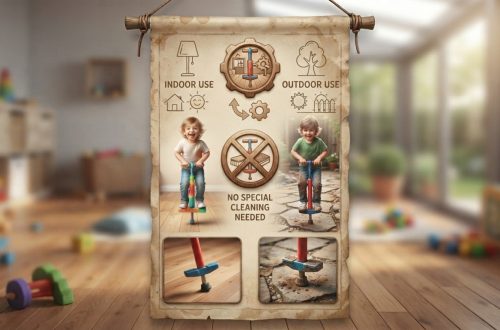
Pogo Jumper Age Recommendation: The Ultimate Parent’s Guide to Choosing the Right Pogo Jumper by Age
Pogo jumpers are one of the most exciting toys for kids who love movement, outdoor play, and active fun. From toddlers bouncing indoors to teenagers mastering tricks in the backyard, pogo jumpers have become a favorite activity for families across the USA. But one of the most common questions parents ask before buying is simple:
What age is appropriate for a pogo jumper?
The answer depends on several important factors including the child’s age, weight, balance skills, coordination, and the type of pogo jumper you choose.
In this complete guide, we’ll explain everything parents need to know about pogo jumper age recommendation, safety, weight limits, skill levels, and how to choose the best pogo jumper for every age group.
Whether you’re shopping for a toddler, preschooler, big kid, or teen, this guide will help you make the right decision.
What Is a Pogo Jumper?
A pogo jumper is a bouncing toy designed to help children jump repeatedly while improving balance, coordination, and physical activity. Unlike traditional pogo sticks, modern pogo jumpers come in many forms:
- Foam pogo jumpers for toddlers
- Beginner pogo jumpers with handles
- Heavy-duty pogo sticks for older kids
- Trick pogo sticks for teenagers and adults
- Indoor soft jumpers for younger children
Some models are designed mainly for fun, while others are made for exercise, tricks, and outdoor adventure.
Why Age Recommendation Matters for Pogo Jumpers
Choosing the correct pogo jumper age range is extremely important. A pogo jumper that’s too advanced can lead to falls and frustration, while one that’s too easy may become boring quickly.
The right age recommendation helps ensure:
- Better safety
- Proper balance support
- Comfortable weight capacity
- Easier learning
- More confidence
- Longer product lifespan
- Better enjoyment for the child
Many parents buy a pogo jumper based only on appearance or price, but the most important factor is whether the toy matches the child’s developmental stage.
Pogo Jumper Age Recommendations by Age Group
Ages 1–3: Toddler Pogo Jumpers
Recommended Type
For toddlers, soft foam pogo jumpers are the safest option.
These jumpers usually include:
- Soft foam base
- Squeaky sound effect
- Stretchy elastic cord
- Lightweight handles
- Indoor-safe materials
Why They Work for Toddlers
Children between ages 1 and 3 are still developing:
- Leg strength
- Coordination
- Balance
- Spatial awareness
- Motor control
A traditional pogo stick is not appropriate for this age group. Instead, toddler pogo jumpers provide a safe introduction to bouncing movements.
Benefits for Toddlers
- Encourages active play
- Improves balance
- Burns energy indoors
- Builds confidence
- Supports gross motor development
- Reduces screen time
Parent Safety Tips
- Always supervise toddlers
- Use on carpet or foam mats
- Avoid stairs or slippery floors
- Check handles regularly
- Limit jumping time for beginners
Best Features to Look For
- Non-slip foam base
- Soft grip handles
- Lightweight design
- BPA-free materials
- Wide foot platform
Ages 3–5: Preschool Pogo Jumpers
Recommended Type
Preschool children can use:
- Foam pogo jumpers
- Beginner bounce trainers
- Wide-base pogo jumpers
At this age, children begin improving balance and coordination significantly.
Developmental Advantages
Kids ages 3 to 5 are learning:
- Better body control
- Rhythm
- Jump timing
- Hand-eye coordination
- Balance correction
A simple pogo jumper helps strengthen these skills while making exercise feel like play.
Common Weight Limits
Most preschool pogo jumpers support:
- 35 to 70 pounds
Always check manufacturer recommendations.
Indoor vs Outdoor Use
For preschoolers, indoor foam pogo jumpers are usually safest.
Outdoor use should happen only on:
- Grass
- Rubber playground surfaces
- Soft mats
Avoid concrete whenever possible.
Ages 5–7: Beginner Pogo Sticks
Best Age to Start Real Pogo Sticks
Many children are ready for beginner pogo sticks around ages 5 to 7.
This is often considered the ideal starting point for learning real pogo bouncing.
Recommended Features
Look for:
- Wide foot pegs
- Foam-covered handles
- Stable frame
- Low bounce height
- Non-slip pedals
- Lightweight steel frame
Skills Children Develop
At this stage, pogo jumpers help improve:
- Core strength
- Reflexes
- Coordination
- Endurance
- Confidence
- Outdoor activity habits
How Long Does Learning Take?
Most children need:
- 1–2 days to balance
- 1 week for consistent bouncing
- Several weeks for advanced control
Every child learns differently.
Parent Tip
Helmet use becomes strongly recommended once children begin using spring-loaded pogo sticks.
Knee pads and elbow pads are also a good idea.
Ages 7–10: Intermediate Pogo Jumpers
Increased Coordination and Strength
Kids between ages 7 and 10 often gain the strength and coordination needed for larger pogo sticks.
This age group usually enjoys:
- Higher bouncing
- Outdoor play
- Friendly competitions
- Learning tricks
Recommended Weight Range
Most intermediate pogo jumpers support:
- 50–120 pounds
Good Features for This Age Group
- Durable spring system
- Reinforced steel frame
- Comfortable grips
- Better shock absorption
- Strong foot pegs
Popular Uses
Children in this age group commonly use pogo jumpers for:
- Backyard fun
- Exercise
- School activities
- Outdoor games
- Social play with friends
Important Safety Advice
Always inspect:
- Springs
- Rubber tips
- Foot pegs
- Handle grips
Worn-out parts can increase accident risk.
Ages 10–13: Advanced Beginner and Trick Pogo Sticks
Are Pogo Sticks Good for Tweens?
Yes. Many tweens absolutely love pogo sticks because they provide:
- Physical challenge
- Excitement
- Outdoor exercise
- Skill progression
- Social activity
Recommended Models
Kids ages 10–13 can often handle:
- Advanced pogo jumpers
- High-bounce models
- Beginner stunt pogo sticks
Trick Learning Begins
Common beginner tricks include:
- One-handed bounce
- Side hops
- Small spins
- No-foot landings
Safety Equipment Matters More
At this stage, children often become more adventurous.
Protective gear should include:
- Helmet
- Knee pads
- Elbow pads
- Athletic shoes
Weight Capacity
Typical weight ranges:
- 80–160 pounds
Ages 13+ and Teenagers
High-Performance Pogo Sticks
Teenagers often use:
- Extreme pogo sticks
- Trick pogo sticks
- Stunt jumpers
- Sports-grade pogo models
Some advanced pogo sticks can bounce several feet in the air.
Skills Required
Teen riders need:
- Strong balance
- Good coordination
- Leg strength
- Body control
- Practice experience
Benefits for Teenagers
Pogo jumping provides:
- Cardio exercise
- Core strengthening
- Stress relief
- Outdoor activity
- Confidence building
- Fun alternative to screens
Weight Capacity for Teen Models
Some advanced pogo sticks support:
- 100–220+ pounds
Always verify product specifications before purchasing.
How to Choose the Right Pogo Jumper by Age
1. Check the Manufacturer’s Age Recommendation
Every pogo jumper includes recommended age guidelines.
These recommendations are based on:
- Safety testing
- Weight support
- Skill level
- Bounce height
- Stability
Never ignore these recommendations.
2. Pay Attention to Weight Limits
Weight capacity matters just as much as age.
A child who exceeds the weight limit may:
- Damage the pogo jumper
- Lose stability
- Experience unsafe bouncing
Always choose a model with some extra weight capacity for growing kids.
3. Consider Coordination and Balance
Not all children develop at the same speed.
Some 5-year-olds may use beginner pogo sticks easily, while others may need more time.
Watch for:
- Good balance
- Ability to jump safely
- Body coordination
- Confidence with movement
4. Indoor or Outdoor Use
Indoor Pogo Jumpers
Best for:
- Toddlers
- Preschoolers
- Rainy-day play
- Apartments
Outdoor Pogo Sticks
Best for:
- Older children
- Backyard play
- Exercise
- Tricks
5. Choose the Right Bounce Height
Beginners should start with lower bounce heights.
High-bounce pogo sticks can be dangerous for younger kids.
The safest learning progression is:
- Foam jumper
- Beginner pogo stick
- Intermediate pogo stick
- Trick pogo stick
Benefits of Pogo Jumpers for Kids
Pogo jumpers are not just toys. They provide many developmental and health benefits.
Physical Benefits
Improves Balance
Balancing on a pogo jumper strengthens stabilizing muscles and coordination.
Builds Leg Strength
Repeated jumping develops:
- Calves
- Quads
- Glutes
- Core muscles
Encourages Exercise
Many kids don’t realize they’re exercising while bouncing.
Improves Coordination
Pogo jumping trains the brain and body to work together.
Mental and Emotional Benefits
Builds Confidence
Learning to balance and bounce successfully helps children gain confidence.
Reduces Screen Time
Outdoor play helps reduce excessive phone and tablet use.
Encourages Independent Play
Kids often enjoy practicing and improving their skills alone or with friends.
Stress Relief
Physical activity helps children release energy and improve mood.
Common Pogo Jumper Safety Mistakes
Choosing the Wrong Age Range
This is the biggest mistake parents make.
A pogo stick that’s too advanced can cause injuries.
No Protective Gear
Helmets should always be encouraged for real pogo sticks.
Using on Hard Concrete
Concrete increases injury risk.
Safer surfaces include:
- Grass
- Rubber mats
- Playground flooring
Ignoring Weight Limits
Overloaded pogo sticks can fail unexpectedly.
Lack of Supervision
Younger children should always use pogo jumpers with adult supervision.
Signs a Child Is Ready for a Pogo Jumper
A child may be ready if they can:
- Jump confidently
- Balance on one foot briefly
- Follow safety instructions
- Coordinate arm and leg movements
- Use scooters or balance toys comfortably
Best Pogo Jumper Types by Age Summary
| Age Group | Recommended Type | Skill Level |
|---|---|---|
| 1–3 years | Foam pogo jumper | Beginner |
| 3–5 years | Soft bounce jumper | Beginner |
| 5–7 years | Beginner pogo stick | Early balance skills |
| 7–10 years | Intermediate pogo stick | Moderate |
| 10–13 years | Advanced beginner pogo stick | Skilled |
| 13+ years | Trick or stunt pogo stick | Advanced |
Are Pogo Jumpers Safe?
Yes, pogo jumpers can be very safe when:
- The correct age range is used
- Weight limits are followed
- Protective gear is worn
- Adult supervision is provided
- Safe surfaces are used
Most injuries happen because of:
- Incorrect sizing
- Unsafe surfaces
- Overconfidence
- Lack of supervision
How Parents Can Teach Kids to Use a Pogo Jumper
Step 1: Start Near a Wall
A wall or fence helps children stabilize while learning.
Step 2: Practice Small Hops
Children should focus on tiny controlled jumps first.
Step 3: Maintain Upright Posture
Teach kids to:
- Look forward
- Keep knees slightly bent
- Hold handles firmly
Step 4: Practice Daily
Short practice sessions work best.
10–15 minutes daily can improve skills quickly.
Indoor Foam Pogo Jumpers vs Traditional Pogo Sticks
Foam Pogo Jumpers
Best For
- Toddlers
- Preschoolers
- Indoor play
Pros
- Safer
- Lightweight
- Soft materials
- Quiet bouncing
- Easy to use
Cons
- Limited bounce height
- Less exciting for older kids
Traditional Pogo Sticks
Best For
- Older children
- Outdoor activity
- Exercise
- Tricks
Pros
- Real bouncing experience
- More skill development
- Higher performance
Cons
- Greater fall risk
- Requires safety gear
- Harder learning curve
Frequently Asked Questions About Pogo Jumper Age Recommendation
What Is the Best Age for a Pogo Jumper?
Most children can safely start using beginner pogo jumpers around ages 3 to 5.
Real pogo sticks are usually best for kids ages 5 and older.
Can a 2-Year-Old Use a Pogo Jumper?
Yes, but only soft foam toddler pogo jumpers designed specifically for toddlers.
Traditional pogo sticks are unsafe for 2-year-olds.
Are Pogo Sticks Good Exercise for Kids?
Absolutely.
Pogo jumping improves:
- Balance
- Strength
- Cardio fitness
- Coordination
- Endurance
Do Pogo Jumpers Help With ADHD Energy?
Many parents find pogo jumpers helpful for active children because they provide physical movement and sensory input.
However, always supervise children during use.
Can Adults Use Pogo Sticks?
Yes.
Many pogo sticks are designed for teenagers and adults.
Some extreme pogo sticks support over 200 pounds.
Should Kids Wear Helmets?
Yes.
Helmets are strongly recommended for any child using a spring-loaded pogo stick.
Final Thoughts on Pogo Jumper Age Recommendation
Choosing the right pogo jumper by age is the key to safe and enjoyable bouncing fun.
For toddlers and preschoolers, soft foam pogo jumpers are usually the safest option. Kids ages 5 to 7 can often begin learning on beginner pogo sticks, while older children and teenagers may enjoy advanced or stunt-style models.
The most important things parents should consider are:
- Age recommendation
- Weight capacity
- Safety features
- Balance skills
- Protective equipment
A properly chosen pogo jumper can provide years of active fun, exercise, coordination training, and outdoor adventure.
Whether your child is just starting with tiny foam hops or learning advanced pogo tricks, there’s a perfect pogo jumper for every age and skill level.
If you’re shopping for the best pogo jumper for your child, always prioritize safety, comfort, and age-appropriate design over flashy features.
That simple decision can make pogo jumping safer, more enjoyable, and much more fun for the entire family.